
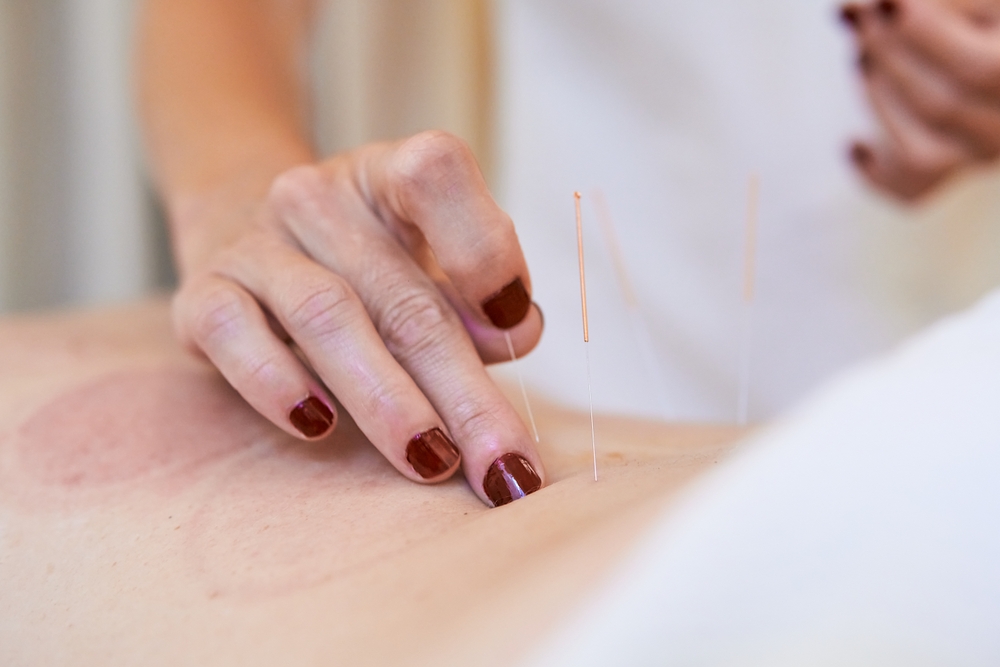
Every day, you are becoming something. Not through one big decision, but through the accumulation of small ones—your thoughts, your habits, your responses, your priorities. These quiet moments shape how you feel, how your body functions, and how your health evolves over time.
By the end of today, you will be slightly different than you were this morning.
A little more grounded—or a little more reactive.
A little more clear—or a little more scattered.
A little more supported—or a little more depleted.
This is how change happens. Gradually. Consistently. Often without you even noticing, until the results are undeniable. Sometimes, getting your health back on track takes a little help, which is why many people in Whittier turn to a trusted wellness center when they need support and a clearer path forward. If you’re wondering where to begin or what to consider before going to one yourself, we recommend you stick around, as today, we will explore how even the smallest choices can make a big difference in your health. Keep reading to see for yourself!
What does it really mean to “become healthy”?
Health is often treated like something you achieve through effort—a result of doing enough of the “right” things. But that perspective can keep you stuck in cycles of trying, stopping, and starting again. In reality, lasting health is less about what you do and more about how you see yourself.
When you begin to identify as someone who prioritizes well-being, your behavior starts to align with that identity. You’re no longer chasing health as an external goal. Instead, your daily life begins to reflect an internal standard—one rooted in care, awareness, and intention. This is where health becomes sustainable. Not because it’s easier, but because it’s integrated.
Why doesn’t “trying to be healthy” work long-term?
There’s a subtle but important difference between trying to be healthy and living in a way that supports health. When you’re “trying,” your actions often come from pressure—what you think you should be doing. That pressure can lead to short bursts of motivation, followed by burnout or inconsistency.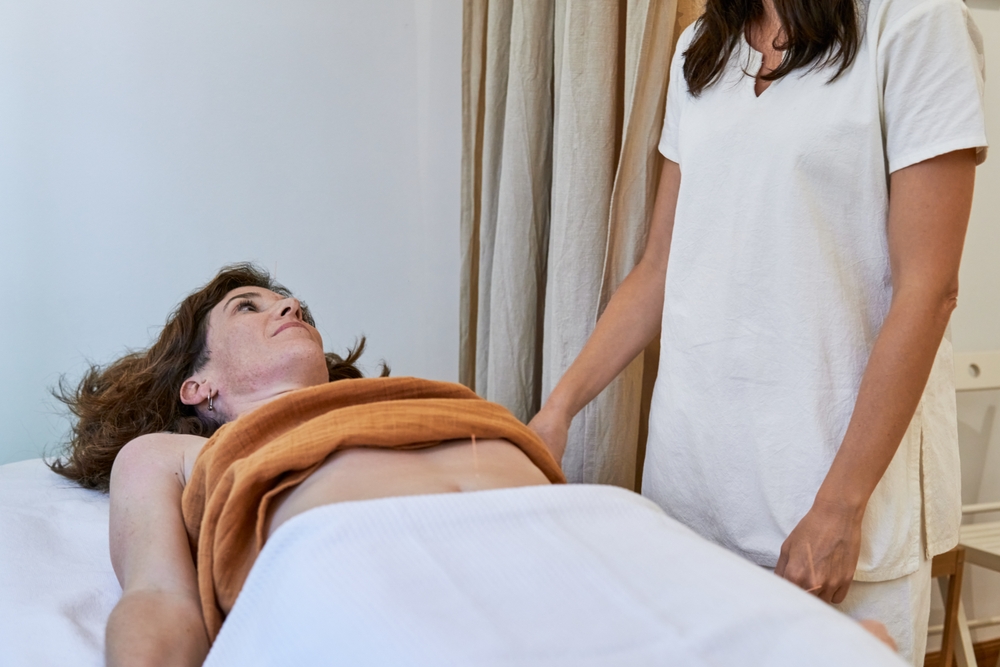
Over time, this creates frustration. It can even make health feel like something that’s always just out of reach. But when your actions come from identity, the dynamic shifts. You’re not forcing yourself to make better choices—you’re simply acting in alignment with what matters to you.
The constant negotiation disappears, and your habits begin to feel more natural and steady. Real progress tends to come from building your health up patiently over time, not from chasing quick fixes.
How do your beliefs shape your daily health choices?
Your choices don’t exist in isolation. They are deeply connected to what you believe—about your body, your needs, and what deserves your attention.
If you see yourself as someone who values nourishment, you naturally gravitate toward foods that support your body, not just satisfy cravings in the moment.
If you believe your body is worth healing, you make decisions that reduce stress and inflammation, even when they require intention.
If you recognize the importance of rest, you don’t wait until you’re overwhelmed to slow down—you build recovery into your routine.
These patterns aren’t random. They are reflections of how you think about yourself. And when those beliefs shift, your actions tend to follow—often without the same resistance you may have felt before.
What does it look like to embody wellness?
At a certain point, something begins to change. You stop relying on willpower to carry you through your habits. You stop feeling like you’re constantly “getting back on track.” Instead, your choices begin to feel consistent—not because you’re perfect, but because they’re aligned. You start to notice that taking care of yourself feels less like effort and more like a natural part of your day.
Nourishing meals become your baseline, not something you have to think twice about. Rest becomes something you prioritize, not something you earn. Healing becomes proactive, not reactive. This is what it means to embody wellness. It’s not about rigid routines or strict rules—it’s about living in a way that reflects what you truly value. And sometimes, when life feels overwhelming, doing less can support better healing than constantly pushing harder.
Can small daily choices really change your health?
It’s easy to underestimate the impact of small decisions, especially when results aren’t immediate. But health is rarely shaped by one big moment. It’s built over time through consistent patterns. The way you eat, the way you respond to stress, the way you support your body—all of it contributes to your overall direction. These choices may seem minor in isolation, but together, they create momentum.
This matters even more when life starts moving too fast, because that is often when supportive routines begin to slip and reactive habits take over. You don’t need to get everything right. What matters is the direction you’re moving in—and the consistency with which you move.
Looking for a trusted Whittier wellness center? Oasis is here to support your journey
 You are always becoming something, and your daily choices are shaping that more than you may realize. Instead of trying to force change, sometimes the most powerful step is having the right support to help things feel more natural and aligned. At Oasis Healing Arts, the focus is on guiding you back to a place where your choices support your health with more ease—so wellness becomes something you live, not something you chase. Whether you’re coming from near Griffith Park or elsewhere in Los Angeles, we’re here to support you whenever you feel ready to take that next step. Feel free to reach out to us today!