
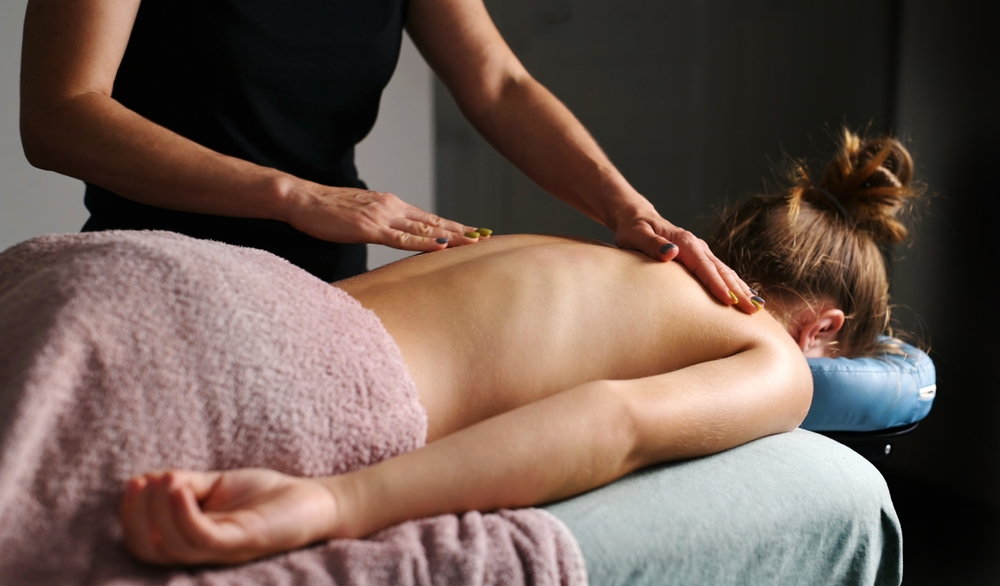
Ask someone where they feel anxiety, and many will point to their chest, stomach, or shoulders before they mention their thoughts. Worry may begin in the mind, but the body tends to carry it out. The jaw tightens, breathing moves higher in the chest, and the heart picks up speed long before anything has actually gone wrong.
That is why skilled massage therapists can be a meaningful source of support for people living with anxiety, even though their work begins with muscles instead of thoughts. Below, we explore what bodywork can and cannot do for anxiety and panic, why tears sometimes come up on the table, and how touch speaks to the vagus nerve. Keep reading to learn more.
Can massage therapists help with anxiety and panic symptoms?
They can help with the physical side of anxiety, which is often what keeps the cycle going. Bodywork is not a treatment for anxiety disorders or panic disorder and should not replace care from a doctor or mental health professional. What it can do is work directly with the places where anxiety tends to settle.
Where the body holds it
 For many people, that means a clenched jaw or a tight band around the head, which focused work along the jaw, temples, and base of the skull can help ease. Others carry it in shoulders that creep toward the ears, often made worse by the forward slump that comes with scrolling. Slow work across the upper back and neck gives those shoulders a chance to drop, while easing the chest and neck muscles that take over during shallow breathing can make each breath feel less effortful. When the heart is racing and the body will not settle, steady, rhythmic pressure may encourage a calmer pace.
What the research supports
Research on bodywork and anxiety is encouraging but still limited, and many studies have been small or focused on specific groups, such as people living with cancer or HIV. It is best viewed as one supportive piece of a broader plan. If you already work with a doctor or mental health professional, mention that you are adding bodywork so your care stays coordinated.
If panic is part of the picture
For anyone prone to panic, the setting deserves as much attention as the technique. Starting face up can feel less confining than lying face down, and agreeing on a simple signal to pause means stopping never requires an explanation. Steady, moderate pressure tends to feel more grounding than very light or very deep work, and sitting up or ending early is always an option.
Why do some people get emotional or cry during a session?
Crying during bodywork is more common than most people expect, and it is usually a sign that the body is letting go. Several overlapping factors seem to be involved.
A nervous system that finally stands down
When the body has been on alert for weeks or months, emotions are often held at a distance simply to keep functioning. As breathing slows and muscles soften, that distance can close. Lying still in a quiet room with no need to talk or perform may be the first real pause someone has had in a long time.
Comfort without conversation
Supportive touch can feel deeply reassuring, especially for someone who has been carrying a lot alone. Many people also describe emotion surfacing as a long-guarded area, such as the chest, jaw, or shoulders, finally releases. The reasons are still being studied, but the experience is widely reported.
Hormonal timing
Emotions often sit closer to the surface around a menstrual period, particularly when it arrives with the monthly pain many women push through. A session during that window may simply feel more tender, physically and emotionally.
When tears come up
Crying on the table does not need to be explained or stopped. It is fine to ask for a pause, a tissue, or a lighter touch, and experienced bodyworkers generally treat tears as an ordinary part of the work.
How does touch affect the vagus nerve?
Certain kinds of touch appear to increase activity in the vagus nerve, which helps move the body out of a stress response. This long nerve runs from the brainstem to the
heart, lungs, and digestive tract and carries much of the parasympathetic signaling that slows the heart and supports digestion. Researchers describe the process roughly like this:
- Moderate, steady pressure stimulates pressure receptors beneath the skin.
- Those receptors relay signals that increase vagal activity.
- Heart rate tends to slow, and the body moves toward a resting state.
- With less need to brace, muscles that have been guarding begin to soften.
Pressure seems to be the deciding factor. Research comparing approaches found that moderate pressure produced stress-reducing effects that very light touch did not, so it is worth speaking up when pressure feels too faint to register or so deep that you tense against it.
Slow, gentle stroking appears to send a separate signal through nerve fibers tuned to comforting touch. In animal research, this kind of stroking lowered heart rate and stress hormones. Together, these responses may explain why one session can ease both anxious restlessness and the tension that builds into recurring headaches.
Which massage therapists can help me release tension and anxiety in my body?
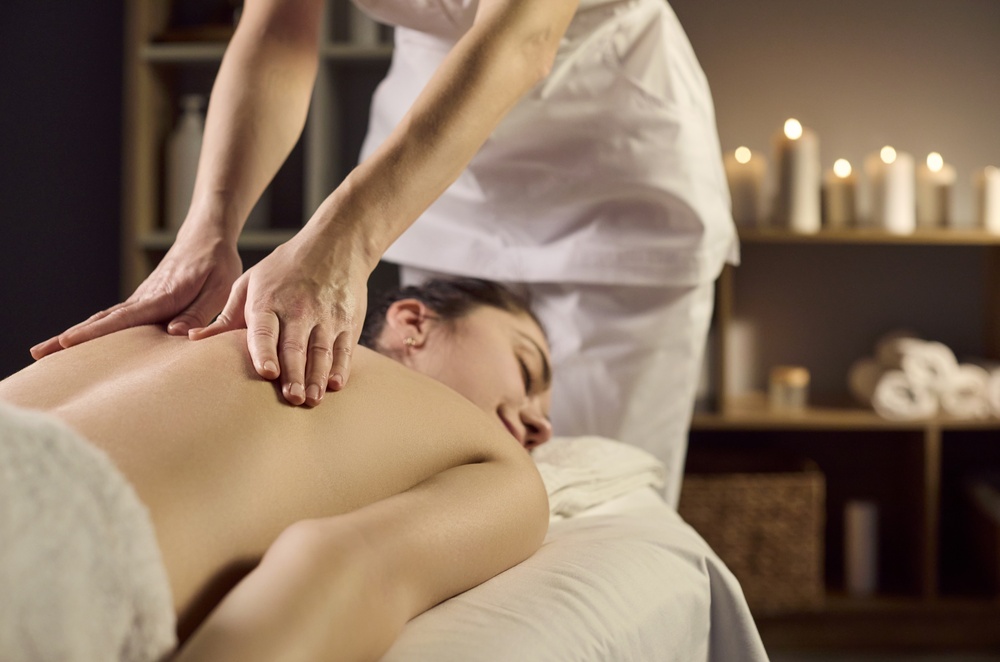
The bodyworkers at Oasis Healing Arts in Whittier approach anxiety as something the whole body carries. Founded by Dr. Jamie Chan-Ortega, our practice pairs hands-on sessions with acupuncture for stress and anxiety and Functional Medicine, so the tension you feel can be considered alongside what may be driving it.
You can choose a full-body visit or a session focused on the back and neck, from 30 minutes up to two hours, with Swedish, deeper tissue, or acupressure work and aromatherapy blends selected with anxiety and stress in mind. For clients near Rio Hondo College and across the surrounding area, a first session can be reserved online whenever you are ready.